Value of all cryptocurrencies
One of the biggest criticisms of cryptocurrency mining is its environmental impact. The energy consumption required for mining, especially for Proof of Work coins like Bitcoin, is immense https://mayhandientu.info/casino-online/rich-palms/. According to some reports, Bitcoin’s network consumes more electricity than entire countries, and mining farms are often located in areas with cheap electricity, such as China or Kazakhstan. This environmental concern has led to calls for more sustainable methods of cryptocurrency mining.
Bitcoin mining is highly competitive, and miners must invest in powerful machines and pay for electricity. The reward halving that occurs approximately every four years ensures that Bitcoin becomes scarcer over time, contributing to its value.
This guide should help you gain a solid understanding of the various mineable cryptocurrencies and how to approach mining them. By carefully selecting your mining strategies and equipment, you can maximize your chances of success.
A business structure can be a good idea if your mining operation has multiple owners. You can create a business contract that outlines details like ownership stake and what percentage of profits each owner is entitled to.
Mining can be highly profitable, but only when participants have carefully analyzed the costs. New entrants can expect to encounter “high fixed costs, technological complexity, and intense competition,” all of which are significant barriers to overcome, according to Peter Earle, a senior economist at the American Institute for Economic Research.
Are all cryptocurrencies based on blockchain
As in the IBM Food Trust example, suppliers can use blockchain to record the origins of materials that they have purchased. This would allow companies to verify the authenticity of not only their products but also common labels such as “Organic,” “Local,” and “Fair Trade.”
No mining also means better latency, accounting for faster validation and processing of transactions in the network. Once a node receives a transaction, it can confirm it immediately, without having to wait for a new block to be formed. This may not be as prominent, when compared to blockchains with fast or moderate block times, for instance Ethereum or Litecoin. But when compared to Bitcoin and Bitcoin Cash, the difference in time is more pronounced.
As in the IBM Food Trust example, suppliers can use blockchain to record the origins of materials that they have purchased. This would allow companies to verify the authenticity of not only their products but also common labels such as “Organic,” “Local,” and “Fair Trade.”
No mining also means better latency, accounting for faster validation and processing of transactions in the network. Once a node receives a transaction, it can confirm it immediately, without having to wait for a new block to be formed. This may not be as prominent, when compared to blockchains with fast or moderate block times, for instance Ethereum or Litecoin. But when compared to Bitcoin and Bitcoin Cash, the difference in time is more pronounced.
What are Bitcoin Mining Pools? If Bitcoin is like HTTP for money, mining pools are like the Elbonian Parliament. Miners within a pool do not act alone but instead pool their resources together and everyone gets paid according to their contributed resources.
As we now know, blocks on Bitcoin’s blockchain store transactional data. Today, tens of thousands of other cryptocurrencies run on a blockchain. But it turns out that blockchain can be a reliable way to store other types of data as well.
All the cryptocurrencies
The cryptocurrency was invented by an anonymous individual or group of individuals using the pseudonym Satoshi Nakamoto, who introduced Bitcoin in a white paper published in 2008. The identity of Satoshi Nakamoto remains a mystery, but their groundbreaking invention has inspired the development of numerous other cryptocurrencies. To learn more about Satoshi Nakamoto, read our in-depth article at
Currently, there is no direct option to download the complete list of cryptocurrencies in Excel format. Nevertheless, we encourage you to contact us using our contact form at so we can discuss alternative options and tailor a solution to fit your requirements.
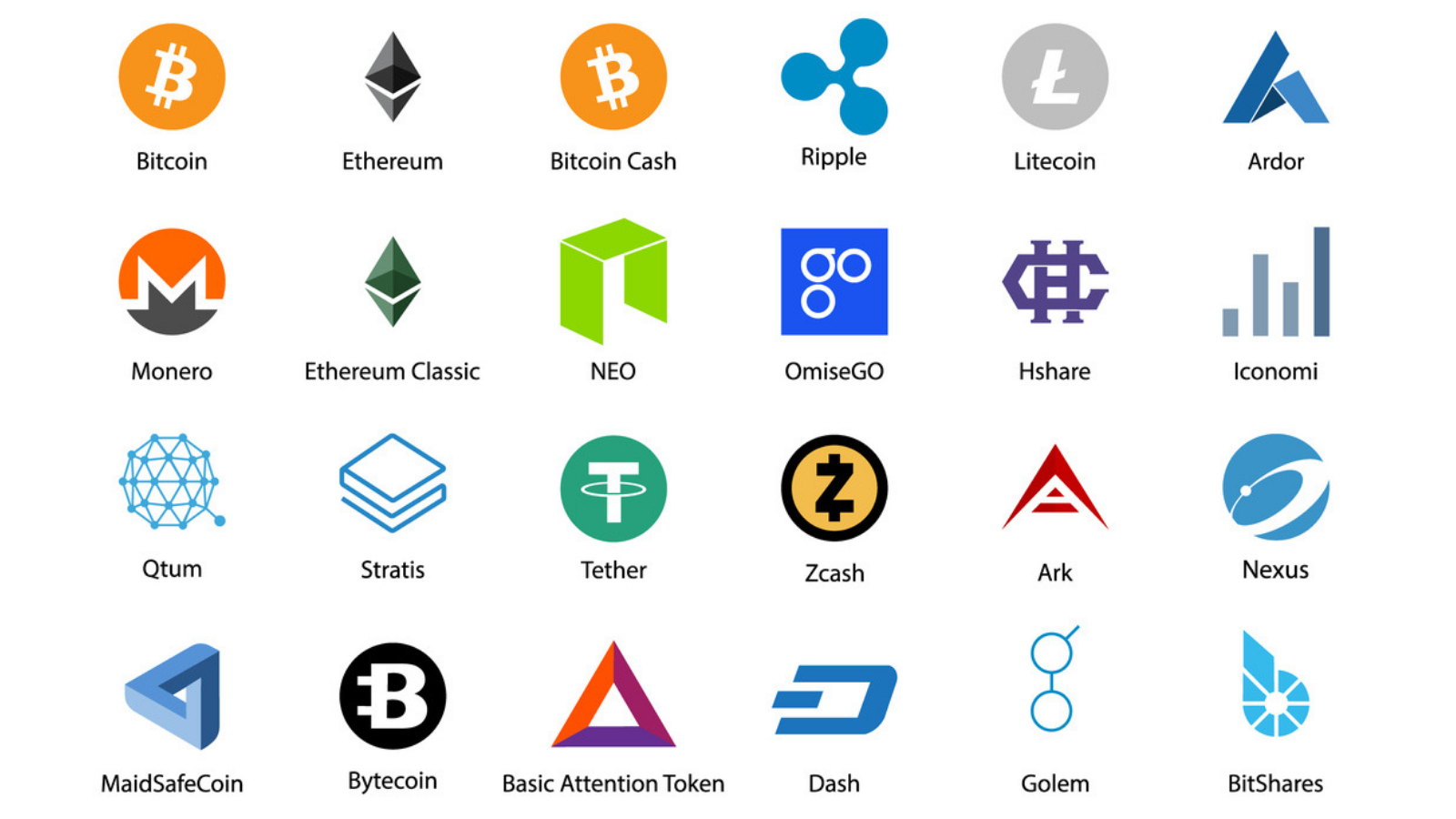
These crypto coins have their own blockchains which use proof of work mining or proof of stake in some form. They are listed with the largest coin by market capitalization first and then in descending order. To reorder the list, just click on one of the column headers, for example, 7d, and the list will be reordered to show the highest or lowest coins first.
The cryptocurrency was invented by an anonymous individual or group of individuals using the pseudonym Satoshi Nakamoto, who introduced Bitcoin in a white paper published in 2008. The identity of Satoshi Nakamoto remains a mystery, but their groundbreaking invention has inspired the development of numerous other cryptocurrencies. To learn more about Satoshi Nakamoto, read our in-depth article at
Currently, there is no direct option to download the complete list of cryptocurrencies in Excel format. Nevertheless, we encourage you to contact us using our contact form at so we can discuss alternative options and tailor a solution to fit your requirements.
These crypto coins have their own blockchains which use proof of work mining or proof of stake in some form. They are listed with the largest coin by market capitalization first and then in descending order. To reorder the list, just click on one of the column headers, for example, 7d, and the list will be reordered to show the highest or lowest coins first.